




Product Categories
Seed Varieties
Signup to our Newsletter and Get 10% Off
Signup to Sonoma newsletter and receive latest updates about our websites, products, news, deals & coupons right directly in your inbox.
 ,
Canadian orders ship from Canada
,
Canadian orders ship from Canada
 .
.


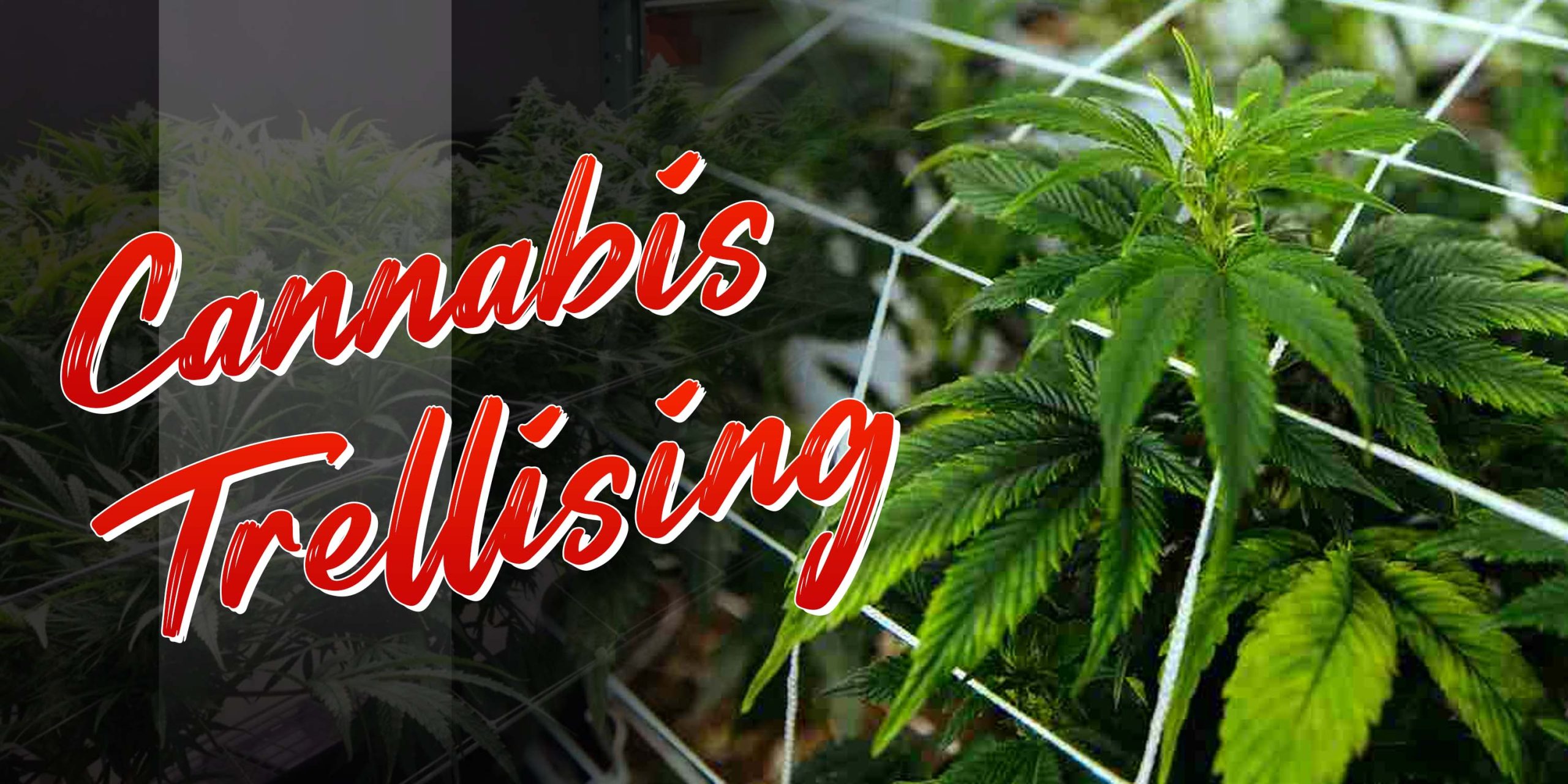
Gone are the days of solely relying on traditional container cultivation for cannabis. Cannabis trellising, a technique employing framed screens or latticed netting, is rapidly gaining traction among growers for its remarkable ability to maximize yield and optimize space.
The magic lies in the latticework. By carefully weaving cannabis shoots through these open grids, growers essentially spread the plant canopy horizontally, exposing a larger surface area to precious sunlight. This translates to more bud sites and, consequently, a significant boost in harvest.
But the benefits of trellising go beyond mere numbers. The controlled sprawl facilitated by the netting allows growers to manipulate plant structure according to available space. This opens doors for creative canopy shaping, enabling cultivation even in vertically restricted environments.
However, unlike the relative simplicity of container growing, trellising demands greater cultivation know-how. Mastering pruning and training techniques like topping, defoliation, and low-stress training (LST) becomes crucial for effectively guiding the plants along the trellis.
In essence, trellising for cannabis is an investment in yielding potential and spatial efficiency. While it necessitates a steeper learning curve, the rewards for adept growers can be truly fruitful.
Trellising your cannabis plants isn’t just a trendy technique, it offers a lot of benefits for both plant health and yield:
1. Support for Heavy Buds
Trellises act as a sturdy framework, preventing branches from bending or breaking under the weight of hefty colas. This ensures your precious buds reach their full potential without succumbing to gravity.
2. Easier Plant Maintenance
Spreading out branches on a trellis cannabis creates a more accessible canopy. Pruning, defoliation, and pest control become a breeze, allowing you to tend to your plants with ease.
3. Boosted Yields
Trellising maximizes light exposure. By positioning branches horizontally, you expose more bud sites to your grow lights, leading to significantly increased yields.
4. Improved Airflow and Reduced Pests
Open trellises promote better air circulation throughout the canopy. This discourages mold and mildew growth, and makes it harder for pests to thrive, leading to healthier plants.
5. Optimal Light Distribution in Indoor Grows
Unlike outdoor cannabis bathed in moving sunlight, indoor plants face static grow lights. Trellising helps compensate for this stationary light source by creating an even canopy. This ensures all bud sites receive sufficient light, maximizing yields and preventing larfy, poorly developed buds.
Bonus Tip: Trellising also allows you to shape your canopy creatively, optimizing space utilization and accommodating limited vertical headroom.
Overall, trellising is a powerful tool for any cannabis grower seeking to maximize yields, simplify maintenance, and ensure optimal plant health. While it requires some initial setup and training techniques like topping and low-stress training, the rewards are well worth the effort.
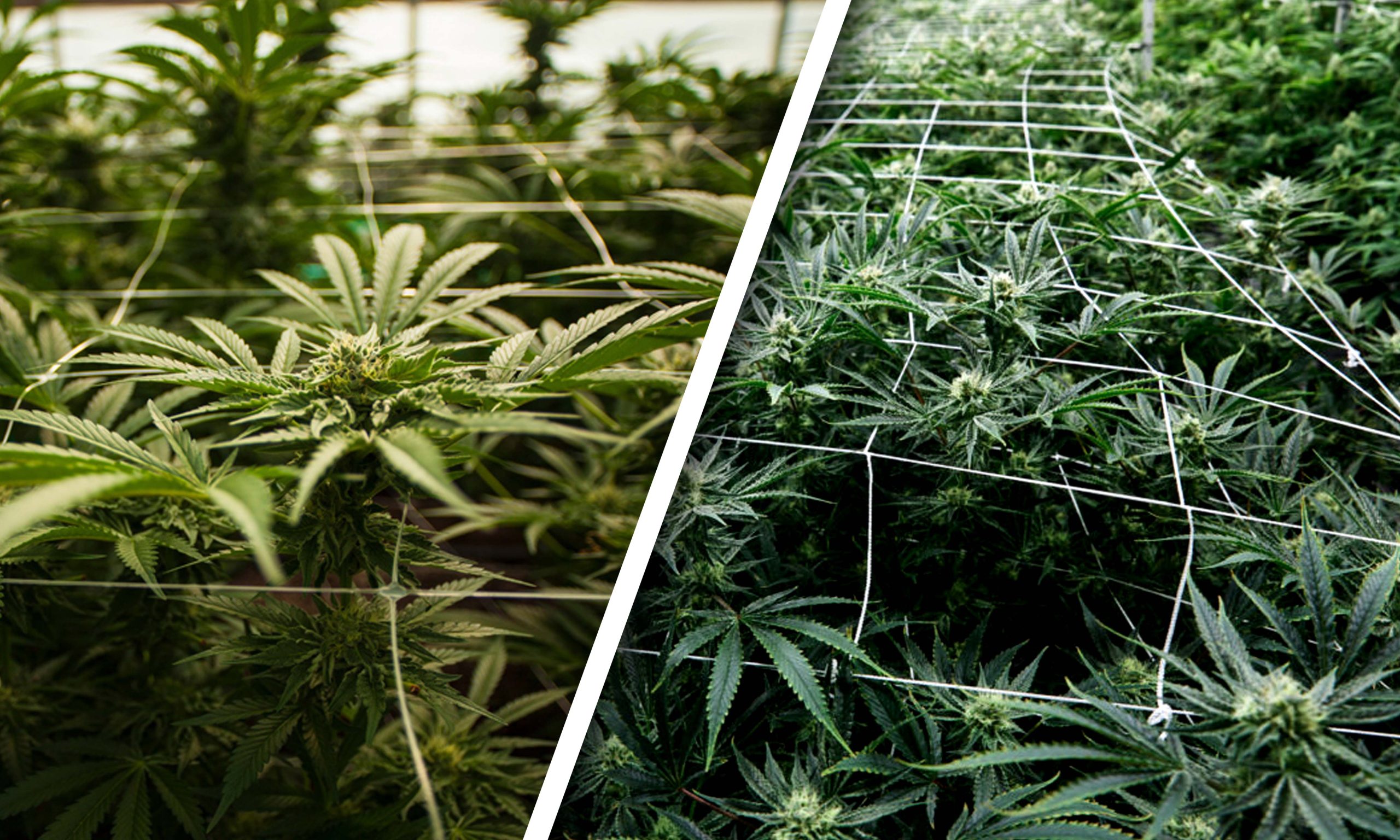
Trellising is a game-changer for maximizing cannabis yields and bud quality. Here’s a breakdown of the process:
1. Setting Up the Trellis
2. Branch Weaving
3. Single Bud Focus
4. Bonus: Side Canopies (Optional)
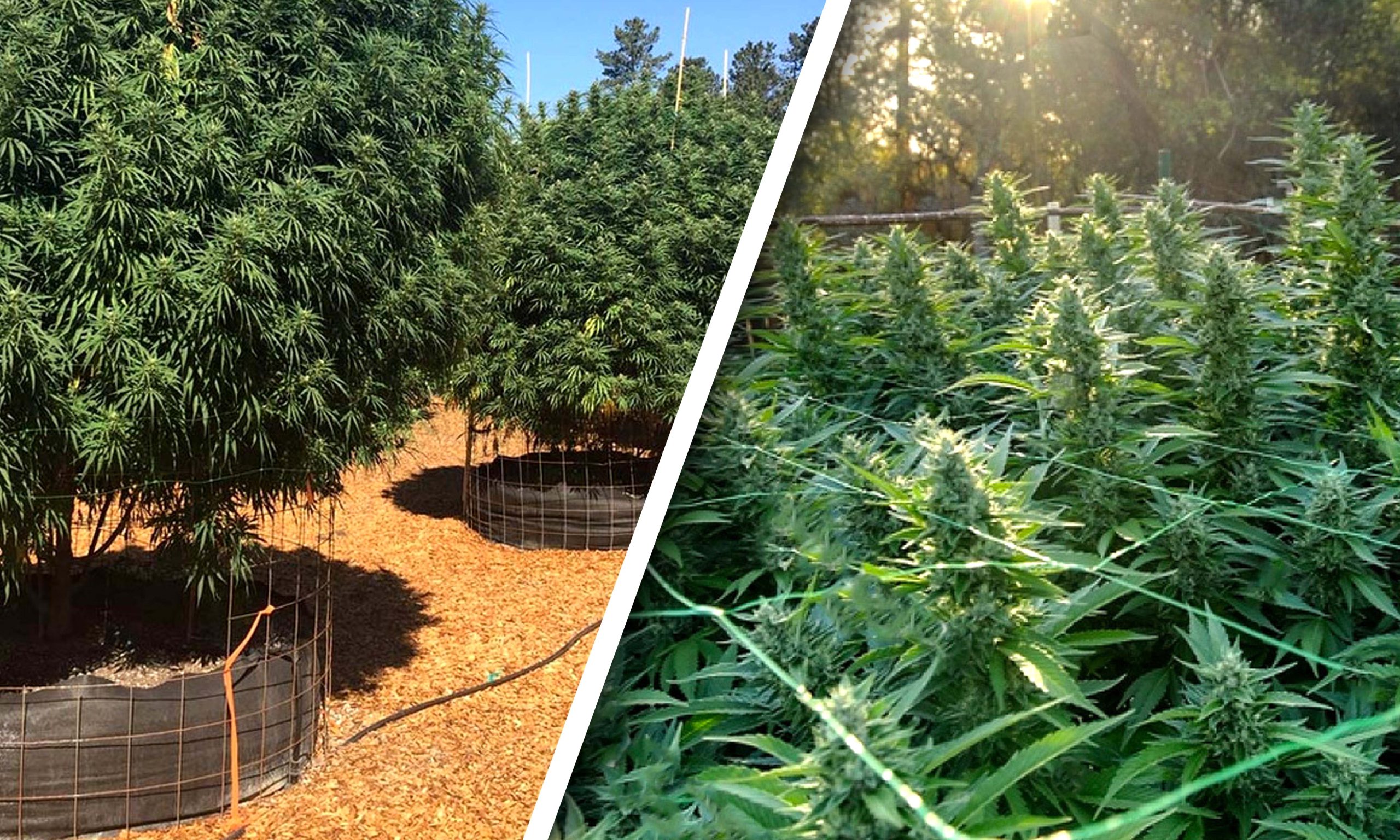
To provide outdoor support for cannabis plants, various methods can be employed. Utilizing a tomato cage or similar pre-made structures proves effective for both young and mature plants. By maneuvering branches through the cage, plants are encouraged to grow within its confines.
Alternatively, plant tape and wooden stakes offer another trellising weed approach. This involves inserting a stake into the ground, extending a cannabis branch, and securing it to the stake with plant tape. Combining this method with a tomato cage is also viable.
For larger plant collections, constructing a support frame or setting posts around them is advisable. This entails placing substantial wooden stakes or T-posts in the ground to form a rectangular perimeter around the plants. Trellising is then attached to these posts to support branches, ensuring they don’t droop. Regular tightening of the lines is crucial to prevent sagging, and adding a second trellis line may be necessary as branches mature and gain weight.
Enhancing bud yield through trellising is a proven method, fostering optimal growth conditions by minimizing competition for sunlight and nutrients, and promoting vertical development, known to yield superior buds. However, there are alternative strategies to bolster yield.
Plants cultivated in soil typically exhibit slower growth compared to those in coco or hydroponic setups, as they contend with nutrient extraction challenges. Rapidly growing plants yield more harvests annually, translating to increased bud production.
Optimal nutrient provision is important for maximizing plant potential. Aligning nutrient profiles with the plant’s growth stage and growing medium is essential. During vegetation, elevated levels of nitrogen, potassium, and phosphorus are required, while potassium, phosphorus, and nitrogen are crucial during flowering. Floraflex Nutrients are renowned for facilitating robust growth and achieving desired bud density.
Selecting premium, high-intensity Full Spectrum LED lights effectively boosts indoor production by replicating sunlight, thereby enhancing both harvest quality and quantity.
Although certain factors influencing yield may be beyond control, such as genetic limitations inherent in the strain being cultivated, there are opportunities to optimize production. Exploring different high-yield strains can offer insights into maximizing yield potential within the grow operation.
Cannabis trellising has emerged as a game-changer for growers seeking to unlock the full potential of their plants. Offering a potent blend of yield increases, improved bud quality, and enhanced plant management, trellising transcends mere trends and establishes itself as a valuable tool in any grower’s arsenal.
While mastering the technique demands dedication and practice, the rewards are truly fruitful. From maximizing light exposure and optimizing space to simplifying maintenance and fostering robust bud development, trellising empowers growers to cultivate thriving cannabis with confidence.
Whether embracing the versatility of indoor trellising setups or harnessing the natural support of outdoor methods, incorporating trellising into your cultivation practices unlocks a new level of efficiency and satisfaction. So, ditch the limitations of traditional container grows and embrace the trellising revolution – your bountiful harvests await!
1. What size is a cannabis trellis net?
Industrial Netting’s Trellis Netting is available in roll widths of 60″ or 120″ and roll lengths of 3,281′ or can be customized to desired lengths. With a mesh hole size of 6-1/4″ x 6-1/2″, it offers optimal support while being gentle on plants to prevent abrasion damage.
2. What is the best trellis spacing?
Position plants 2 to 3 feet apart and guide them through the sections of the panel so that their stems span from one side to the other (photo 8). This approach aids in preventing foliar diseases and simplifies spraying, if chosen.
3.What is the best angle for a trellis?
Insert the trellis into the soil at the garden’s edge, positioning it at a 45-degree angle. Next, train the vines to climb up the trellis, which requires patience and some basic engineering. When the vine runners extend long enough to reach the trellis, gently wrap each runner with plastic garden tape.
4. Is wood or metal better for trellis?
For contemporary structures, stainless steel trellises are the ideal and preferred choice. They typically feature a sleek and unobtrusive design and boast an extensive lifespan. Conversely, historic buildings often opt for wooden trellises.
5. How far should a trellis be from the wall?
A standard distance of approximately 10 cm from the wall is typical for most creeping and climbing plants. This distance is particularly important to accommodate the growth of annual shoots behind the trellis.
Signup to Sonoma newsletter and receive latest updates about our websites, products, news, deals & coupons right directly in your inbox.